

FAQs

Frequently Asked Questions About Dermatology

At Chang Dermatology & Skin Surgery Center , we believe that patient education is valuable. Our FAQs page is here to help answer any lingering questions or concerns our patients may have. Check out our FAQs below, and if you have any additional questions, don’t hesitate to reach out or to ask Dr. Chang or a team member during your next visit.

faqs

During your initial visit, Dr. Chang will review your medical history, thoroughly examine your skin and discuss any concerns you may have—from skin issues like acne, scalp conditions or concerning skin spots or moles. We’ll recommend tailored treatment or testing, such as a biopsy or bloodwork, and answer any questions you may have.

Mohs surgery is a precise, tissue-sparing technique used to treat skin cancer, especially basal cell carcinoma and squamous cell carcinoma. During the procedure, Dr. Chang will skillfully remove thin layers of cancerous skin and examine them under a microscope, layer by layer, until no more cancer cells are detected. This approach minimizes the removal of healthy tissue, leading to smaller scars and a high cure rate. Mohs surgery is typically performed on areas where preserving healthy tissue is critical, like the face, neck or hands.

Mohs surgery usually takes about 2 to 4 hours, but it also depends on the size and location of the skin cancer, as well as how many layers of tissue need to be removed. During surgery, each layer is removed, processed and examined in real-time, which takes about 20 to 45 minutes per layer. Patients should expect to spend a morning or afternoon in our care.

Yes, Mohs surgery can leave a scar. But no need to worry—the procedure is designed to minimize scarring by removing as little healthy tissue as possible. The size and appearance of the scar depend on factors like the size and location of the skin cancer, the number of layers removed and individual healing. Surgeons such as Dr. Chang often use techniques such as careful suturing or reconstructive procedures to improve cosmetic outcomes. Over time, the scar may fade, and proper wound care can help minimize the scar.

Yes—removing skin cancer as early as possible is very important because it prevents the cancer from growing, spreading or becoming more invasive. If left untreated, skin cancer can spread to other parts of the body or cause damage to the healthy tissue around it. For skin cancers such as melanoma, this can be dangerous. Early removal improves the chances of a cure and minimizes the impact on healthy tissue and overall health. Timely treatment is essential!

After skin cancer surgery, we will do a thorough exam of the removed tissue to make sure your skin cancer is gone. In Mohs surgery, the surgeon examines each layer of tissue under a microscope during the procedure to make sure all cancer cells are removed. In traditional excision surgery, the tissue is sent to a lab for analysis, and the results are reviewed later. If no cancer cells are found at the margins, or edges, of the removed tissue, it’s considered clear, which means that the cancer has been completely removed! Make sure to discuss follow-up appointments and monitoring to ensure your cancer does not recur.

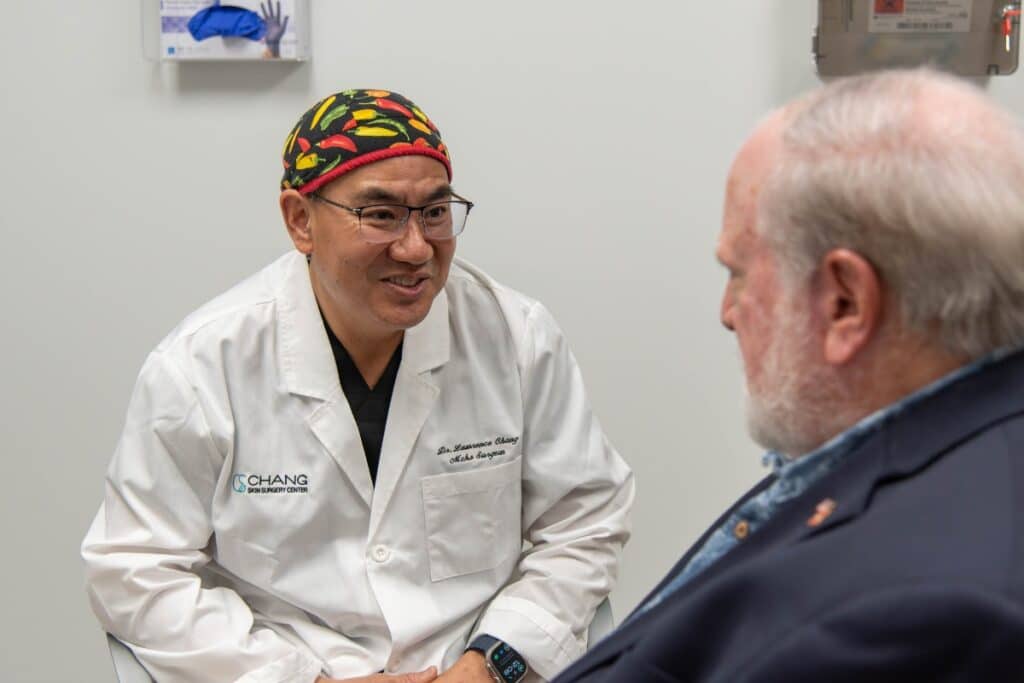
Dr. Chang smiling talking to an older male patient
chang logo

Your Skin Is Precious—Choose a Trustworthy Team

Ready to take the next step toward healthier skin? At Chang Dermatology & Skin Surgery Center, we’re committed to exceptional care in general dermatology, skin cancer treatment, and preventative care—all with your comfort in mind. Whether you’re in Virginia Beach or nearby, our minimally invasive approach ensures effective, natural-looking results. Schedule your appointment today and experience patient-first care that sets us apart.

Expert Dermatology Delivered With Precision

black branding visual