

Why Awareness Matters Across All Skin Types
Many people assume that darker skin tones have natural protection from sun damage and, therefore, skin cancer. While melanin offers some protection, skin cancer in different skin tones still occurs and can become life-threatening when diagnoses are delayed. In fact, melanoma—the most dangerous form of skin cancer—can be more advanced at diagnosis in people with darker skin because symptoms are harder to spot or may appear in unexpected areas.
How Skin Cancer Presents in Lighter Skin Tones
Understanding how skin cancer in different skin tones behaves begins with the most familiar presentation, lighter or fair skin. In fair skin types, basal cell carcinoma and squamous cell carcinoma often develop on areas exposed to the sun, such as the face, neck, shoulders, scalp and arms. These cancers may appear as red scaly patches, raised bumps with pearly edges, or sores that bleed or fail to heal. Because lesions contrast more dramatically with lighter skin, patients and providers may identify them earlier.
How Skin Cancer Presents in Darker Skin Tones
When discussing skin cancer in different skin tones, it’s crucial to highlight how it appears in individuals with darker or deeply pigmented skin. In these cases, melanoma often appears in areas not associated with sun exposure. A specific subtype called acral lentiginous melanoma may occur on the palms of the hands, soles of the feet, or beneath the nails. It may appear as a dark brown, black, or blue patch or streak, and may be confused with bruising or pigmentation changes.
Squamous cell carcinoma in darker skin can also present as firm nodules or rough, scaly patches that do not differ dramatically in color from surrounding tissue. Because skin cancer in different skin tones may not resemble the textbook symptoms commonly shown in medical materials, delayed diagnosis is more common.
The Risk of Delayed Detection
Delayed detection is a major challenge when addressing skin cancer in different skin tones. Patients with darker skin may not consider themselves at risk, and providers may overlook subtle lesions without detailed and culturally competent skin exams. When melanoma is diagnosed late, it becomes more difficult to treat, underscoring the importance of awareness and proactive screenings for skin cancer in different skin tones.
Tailored Screening and Full-Body Skin Exams
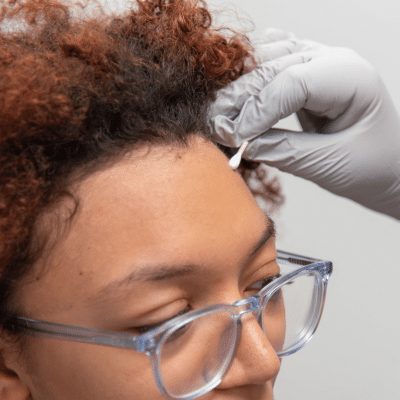
To effectively detect skin cancer in different skin tones, Dr. Chang must perform thorough full-body screenings that include sun-exposed areas as well as less visible regions. At Chang Dermatology & Skin Surgery Center, our skin cancer screenings evaluate:
- Scalp and hairlines
- Face, neck and ears
- Back, chest and limbs
- Hands, feet, fingers, toes and nails
- Between toes and on the soles
- Under nails, particularly for streaks or discoloration
This approach ensures that skin cancer in different skin tones is identified early rather than overlooked.
Why Personalized Dermatology Matters
Dermatology should never be one-size-fits-all. Recognizing skin cancer in different skin tones requires training, experience and awareness of how pigmentation affects presentation. Tailored assessments allow Dr. Chang to catch subtle lesions, educate patients and improve outcomes for everyone, regardless of skin color.
Prevention Matters for All Skin Types
Sun protection, self-exams, and annual screenings play a role in preventing skin cancer in different skin tones. While darker skin may have more melanin and UV defense, sunscreen remains essential. Checking moles, new spots, or non-healing patches at home can also assist in catching abnormalities early.
Partnering With Chang Dermatology & Skin Surgery Center for Skin Health
At Chang Dermatology & Skin Surgery Center in Virginia Beach, VA, we are committed to helping patients detect skin cancer in different skin tones with precision and compassion. Whether you have a new lesion or simply wish to stay proactive, routine skin exams can make a life-saving difference. Request your appointment today.